
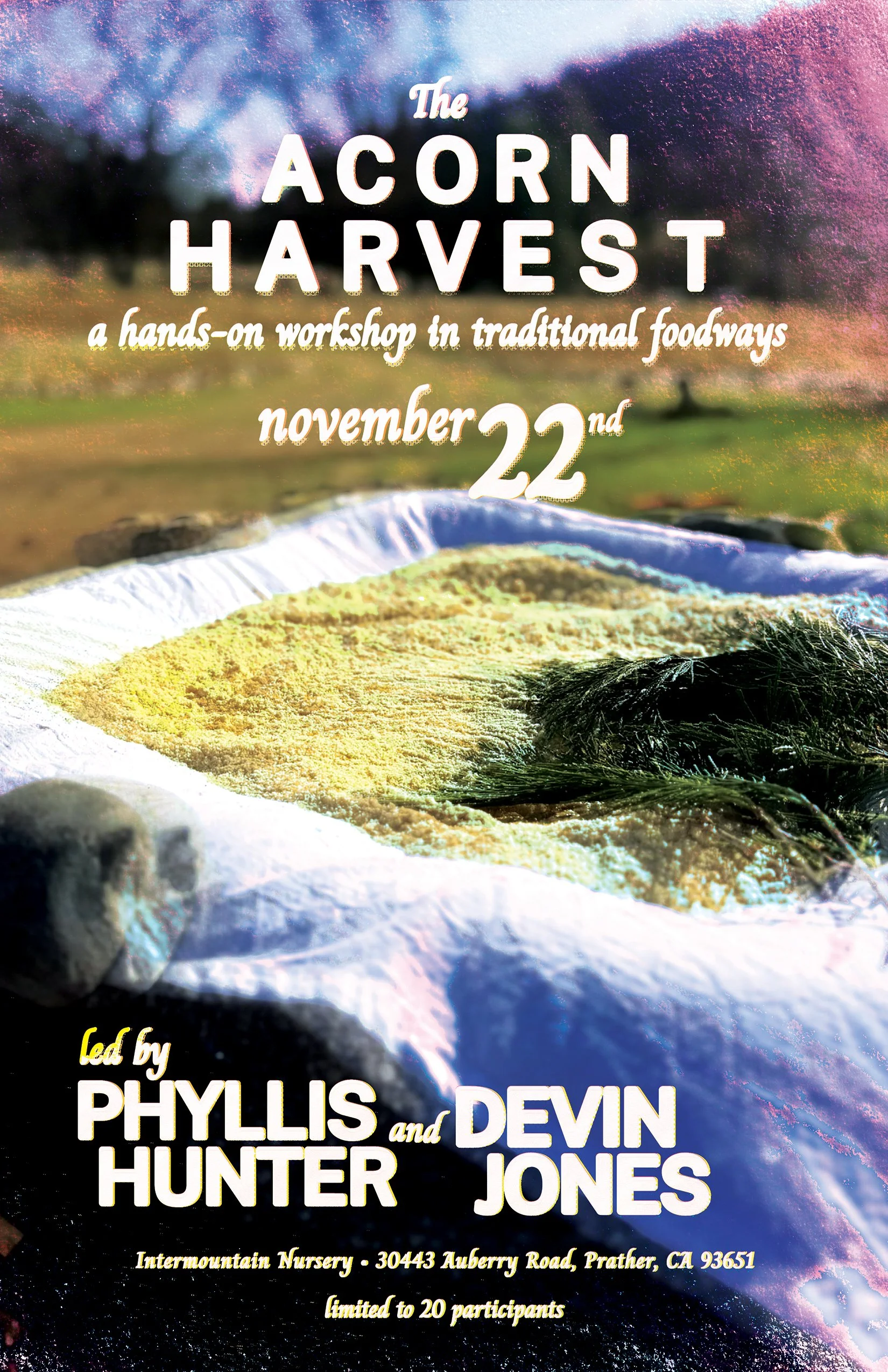
Acorn Processing
Led by Phyllis Hunter & Devin Jones
Location: Intermountain Nursery
30443 Auberry Road, Prather CA, 93651
Saturday, November 22nd • 10AM—2PM
Price: $35 • Max Capacity: 20 (SOLD OUT)
For countless generations, acorns have been a central to sustaining Indigenous communities across California and beyond. This immersive workshop invites participants to connect with that deep heritage through a hands-on exploration of acorn processing techniques.
Event Details
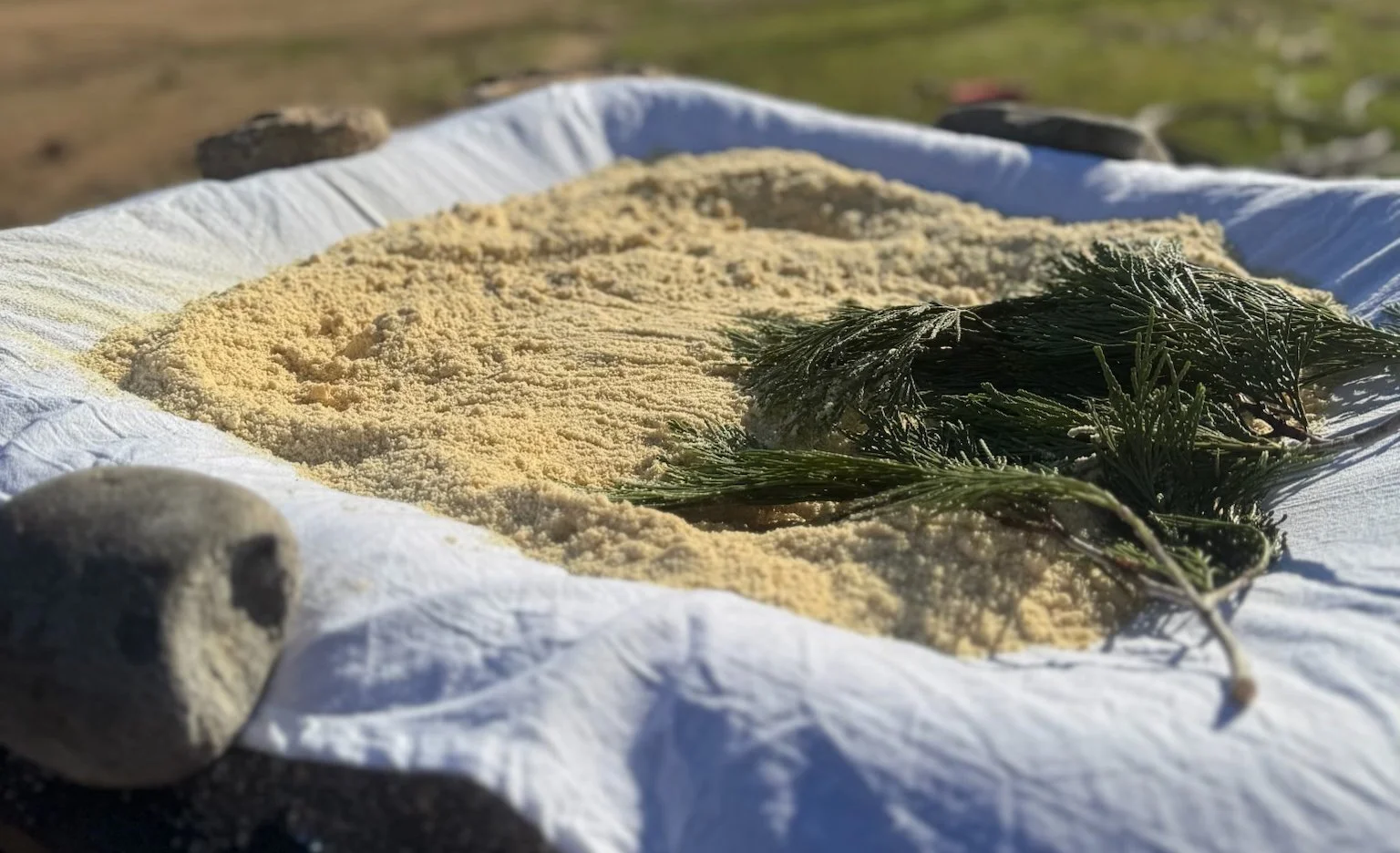
Guided by cultural practitioners, participants will rotate through interactive stations focused on key steps in the process, including:
Cracking & Shelling
Grinding
Leaching
Cooking
and more
This participatory workshop blends ecological understanding with tradition, emphasizing respect for the land, its cycles, and the people who have long depended upon its gifts.
• Freshly processed acorn mush will also be available for purchase.
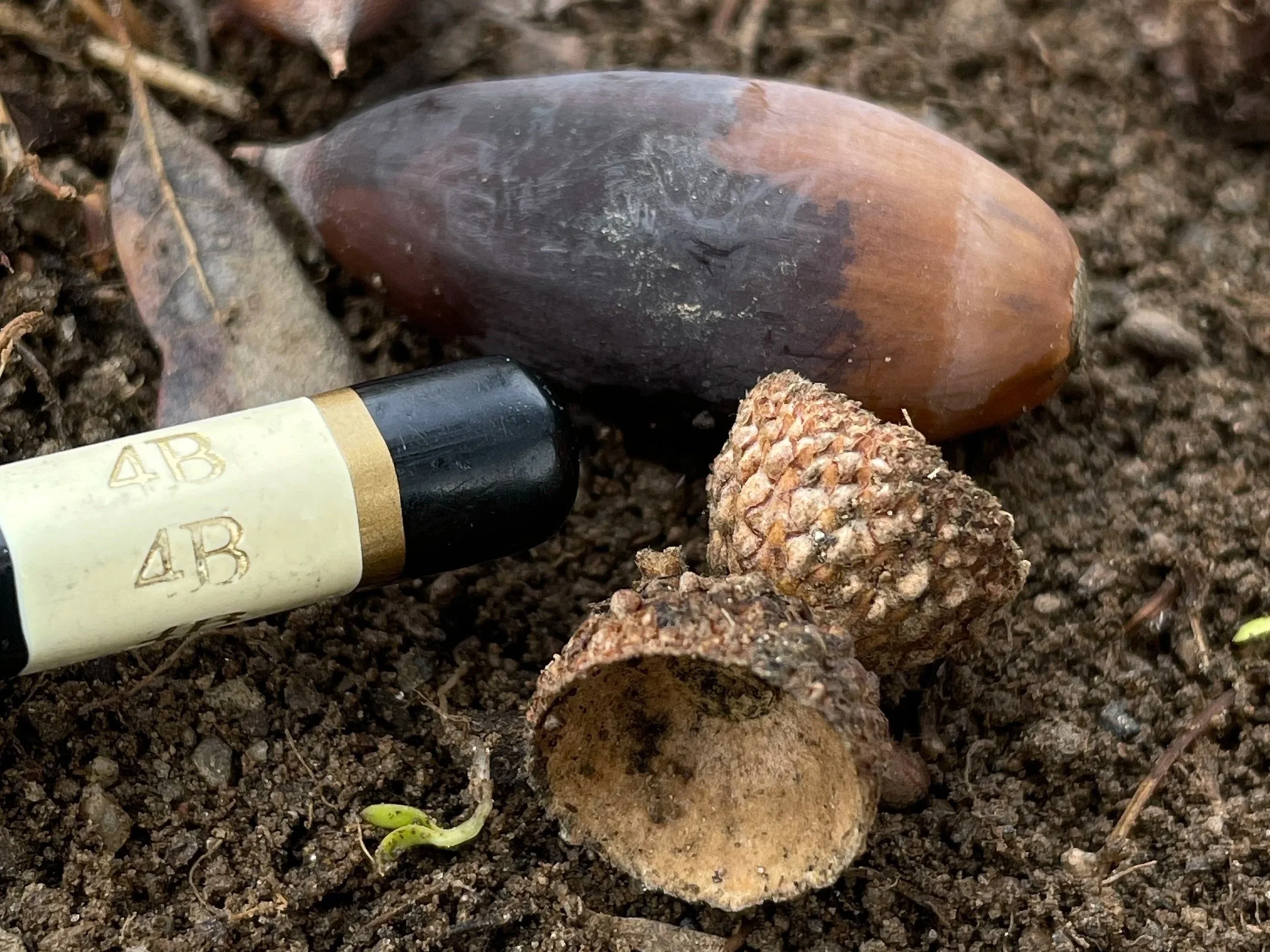
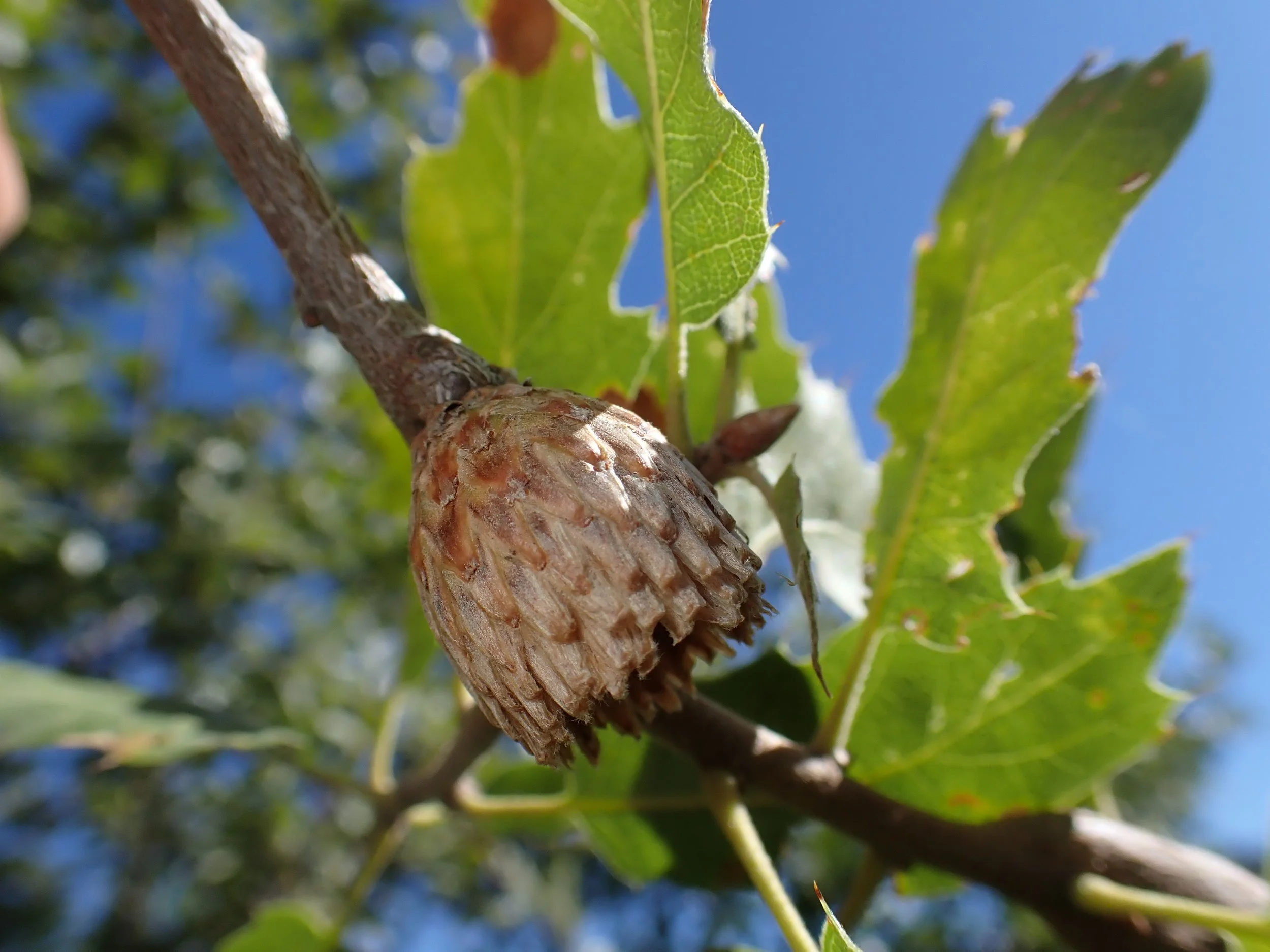
Blue Oak x Oregon Oak
SOLD OUT
Thank you!
Teaching Team
Munahoo.
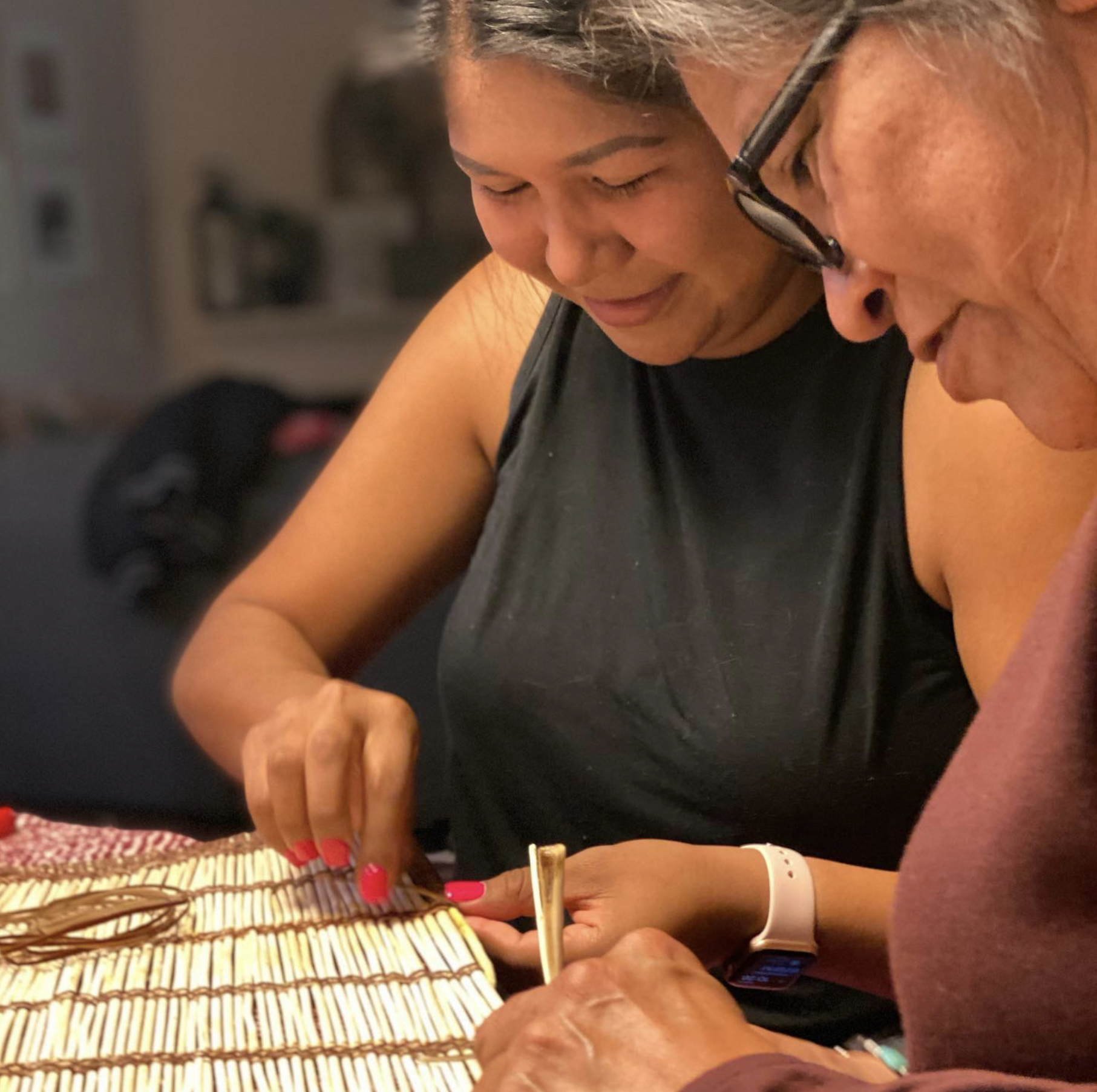
Phyllis Hunter “Toyah-nigh”, is a Cold Springs Tribal Elder, avid acorn processor, and basket weaver. She is actively involved in keeping the culture alive and teaching younger generations native ways, keeping the relationship with our plants and earth.
Devin Jones is a proud Tribal citizen of the Cold Springs Rancheria Band of Mono Indians, based in Tollhouse, California. She is a basket weaver and has dedicated herself to the ongoing efforts of reviving Native foodways and promoting food sovereignty, viewing it as a vital cultural and community priority. Devin deeply values the traditional knowledge that has been entrusted to her. Maintaining this legacy through continuous learning and teaching is essential.
FAQ + Details
What should I bring?
Refillable water bottle
Sun protection and layers
Snacks or picnic lunch
Parking & Accessibility
Parking is available on-site, but space is limited. We STRONGLY encourage carpooling whenever possible. Overflow parking will be marked. Staff and volunteers will be on hand to direct traffic. Please be mindful of our neighbors and rural setting.
Starts: 10:00 a.m.
*Please arrive 15 minutes early
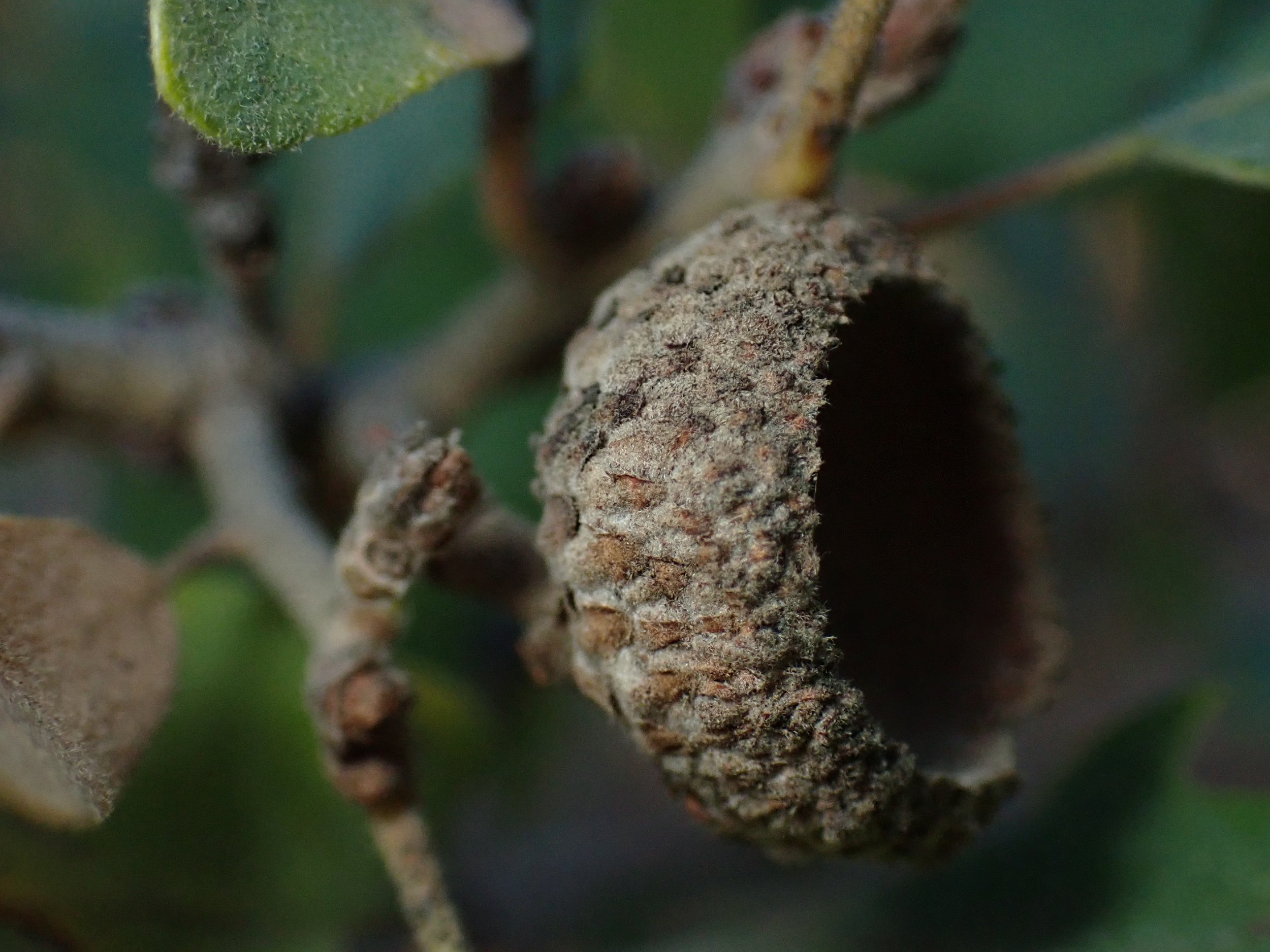
Gambel Oak
Learn More
Ecology of Oak Woodlands
The oak woodlands of the central Sierra Nevada foothills are a biologically rich habitat that has sustained humans and wildlife for millennia. Dominant oak species include the California black oak (Quercus kelloggii), along with blue oaks and live oaks at lower elevations. Every autumn, these oaks drop their acorns, a critical pulse of nutrition for the ecosystem. Numerous animals rely on acorns: deer, black bears, rodents, and birds all fatten up on the starchy nuts, which in turn helps propagate the oaks. Black oak acorns in particular are noted to be a staple food not only for wildlife but also for Native peoples of the region . Oak groves furthermore provide habitat (cavities for nesting, shade for understory plants) and play a role in watershed health by protecting soils.
Importantly, the oak woodlands here are not wild in the sense of untouched nature; they are a cultural landscape. Indigenous Californians actively managed these woodlands to enhance acorn production. Tribes would deliberately set small, low-intensity fires under the oaks in late summer or early fall. This cultural burning cleared out competing brush and conifer saplings, reduced leaf litter and pests, and stimulated healthier growth. Black oaks are well-adapted to such frequent, mild fires: they have thick bark and can resprout if top-killed. By burning under the oaks every few years, Native land stewards prevented dense forests from overrunning oak groves and kept acorn crops reliable.
Another key aspect of acorn ecology is that oaks are masting species; they have boom-and-bust cycles of acorn production. One year a black oak may produce a huge crop of nuts, and the next year very few. Indigenous communities adapted to this variability through careful storage and resource management. During years of plenty, surplus acorns were stored in granaries for use in lean years. In the Sierra foothills, people built large acorn granaries called cha’ka (in Miwok), which were elevated, basket-like storage silos made of interwoven poles and brush. These could stand eight feet tall or more, holding hundreds of pounds of acorns. Granaries were ingeniously lined with aromatic plants (such as wormwood and pine needles) to repel insects and rodents and thatched with cedar or fir boughs to shed rain. This allowed acorns to be safely stored for a year or more without spoiling. The oaks were not just passively harvested, but actively tended and integrated into a whole system of seasonal abundance and scarcity.
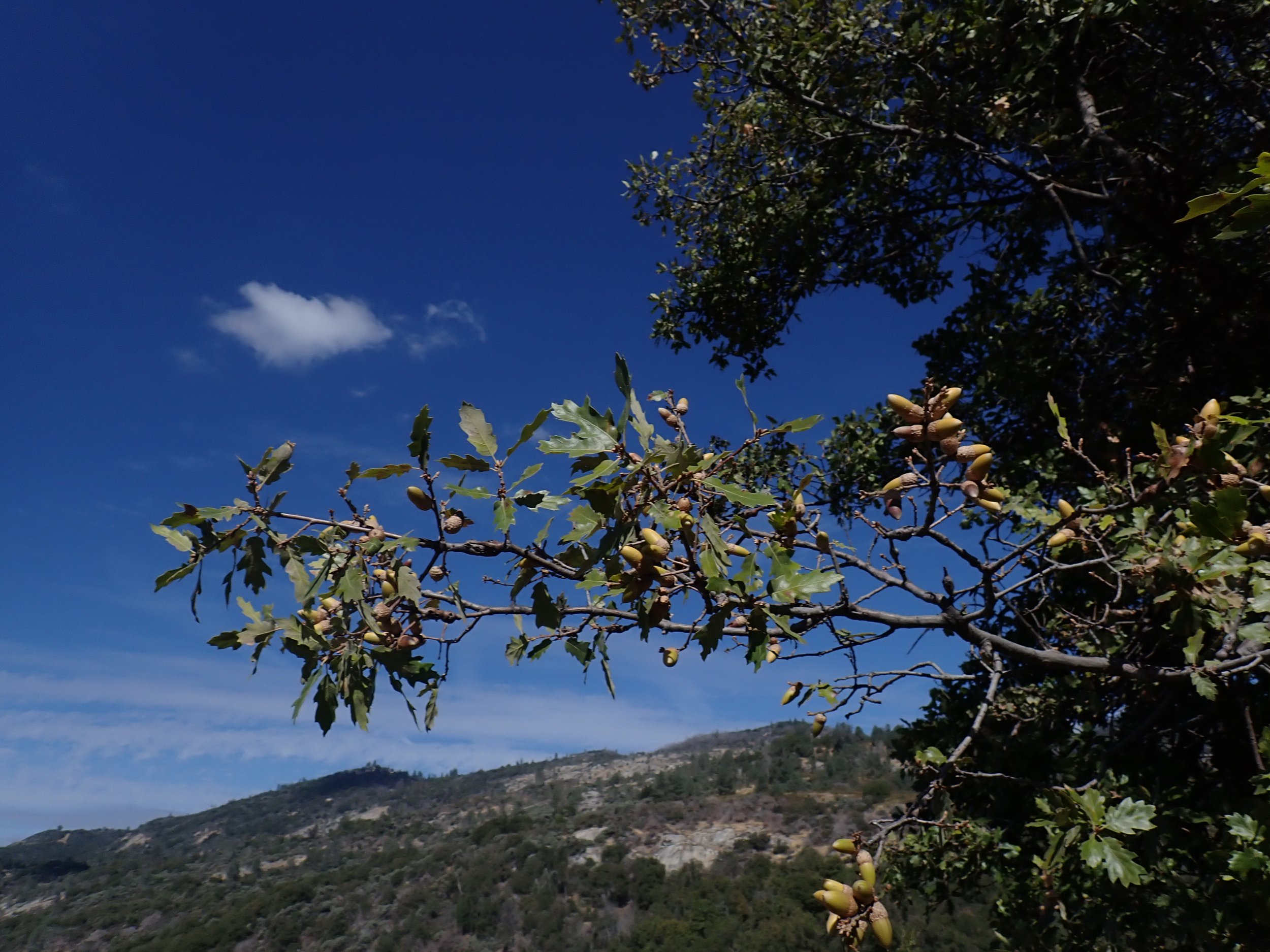
Black Oak
Significance of Traditional Processing
In many early California cultures, acorn meal was a daily staple food for countless generations. Acorns sometimes provided over half of the daily caloric intake for Native communities in acorn-rich areas. Beyond nutrition, acorns are interwoven with culture. They show up in myths, place names, and rituals. Harvesting and preparing acorns was a communal, seasonally-organized effort, often involving multiple families or whole villages working together.
The annual acorn cycle set the rhythm of life. In late summer and early fall, as the oak nuts began to ripen, families would move to oak groves to begin gathering. Acorns were typically knocked off the trees with long poles or collected from the ground once they fell. Women (and often children) did most of the gathering, scooping up acorns by the basketful and carrying them back to camp. Only healthy acorns were kept – those with telltale small holes (from weevil larvae) were left on the ground, acknowledging that some of the crop belongs to other creatures. Once collected, acorns might be spread out in the sun for a few days to dry, or stored in their shells in the granaries to cure. Drying was crucial because fresh acorns have high moisture and can mold; drying also hardens the nut, making them easier to crack out of their shells later
After autumn harvest, the labor-intensive processing stage began. Throughout the winter and following spring, acorns would be processed in batches as needed. The steps to transform bitter raw acorns into delicious food were well-defined. But acorn processing was more than a set of steps, it was embedded in ceremony and community. The first acorns of the season were often greeted with thanksgiving. Many tribes held Acorn Festivals or Big Time gatherings in the fall, where people from different villages came together to celebrate the harvest. Such gatherings reinforce social ties and honor the cultural importance of acorns. Even on a household level, making acorn mush might involve singing specific songs or observing certain practices. The food itself, often served in a big family bowl or basket, brought people together. In this way, acorn cuisine was not only physically sustaining but also culturally rich, tied to stories, songs, and a sense of identity.
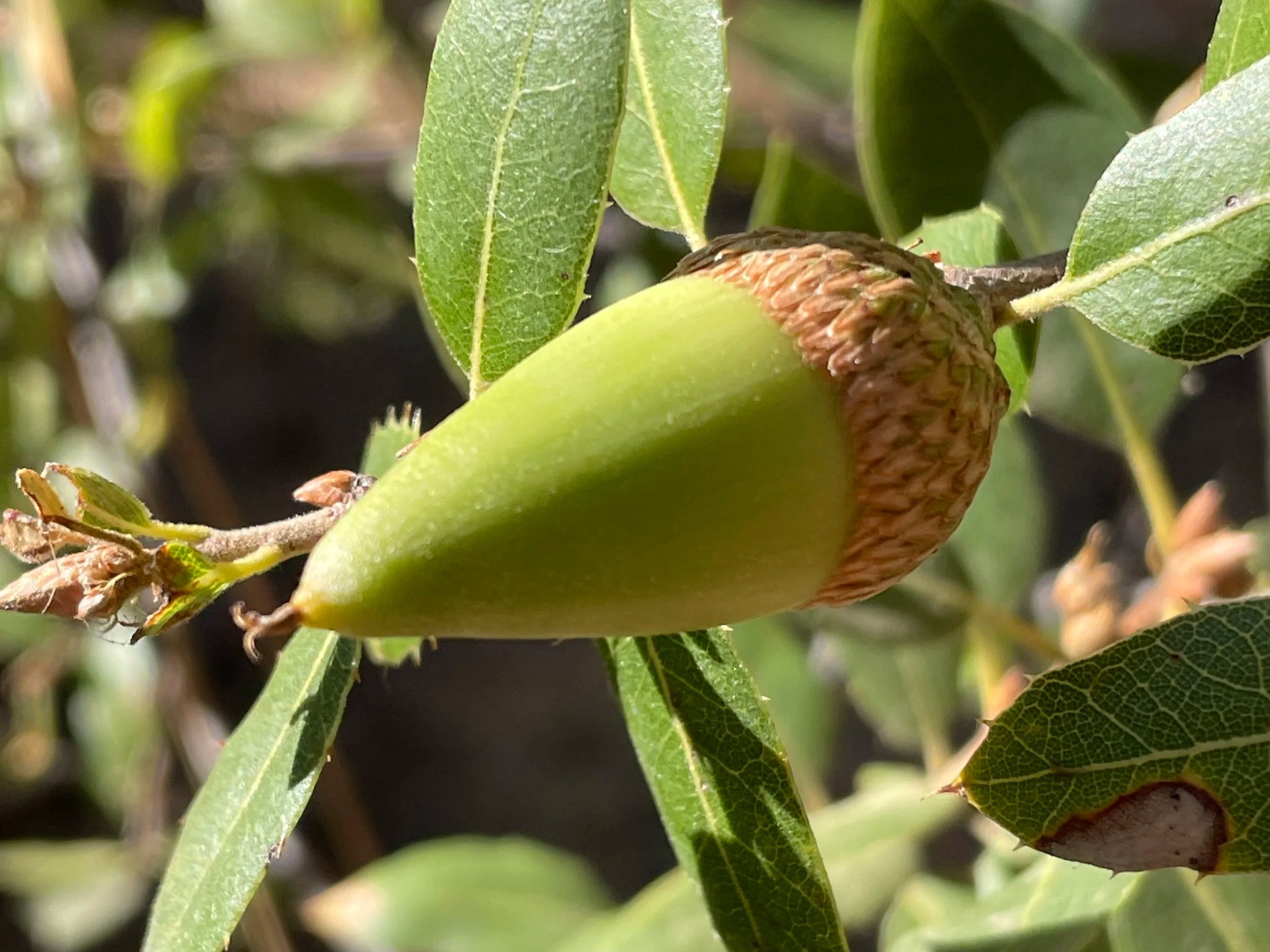
Interior Live Oak
Place-Based History
The cultural landscape of our region was complex and connected to long-established trade routes. The foothills around us including the Big Creek watershed and nearby Big Sandy and Sycamore Creek provided ideal habitat for black oaks. There are physical remnants of the acorn way. Bedrock mortar sites are found near creeks and oak groves and attest to centuries of processing acorns.
However, the traditions here as elsewhere in California faced brutal disruption in the 19th century. The gold rush era was especially devastating to Sierra foothill tribes. As miners and settlers poured into the region, competition for resources and violence escalated. By the late 19th century many of the people in the area had been displaced from their lands.
Despite those challenges, the cultural knowledge was kept alive by determined individuals. Acorn traditions continue to anchor a sense of identity and continuity in the Sierra and beyond.
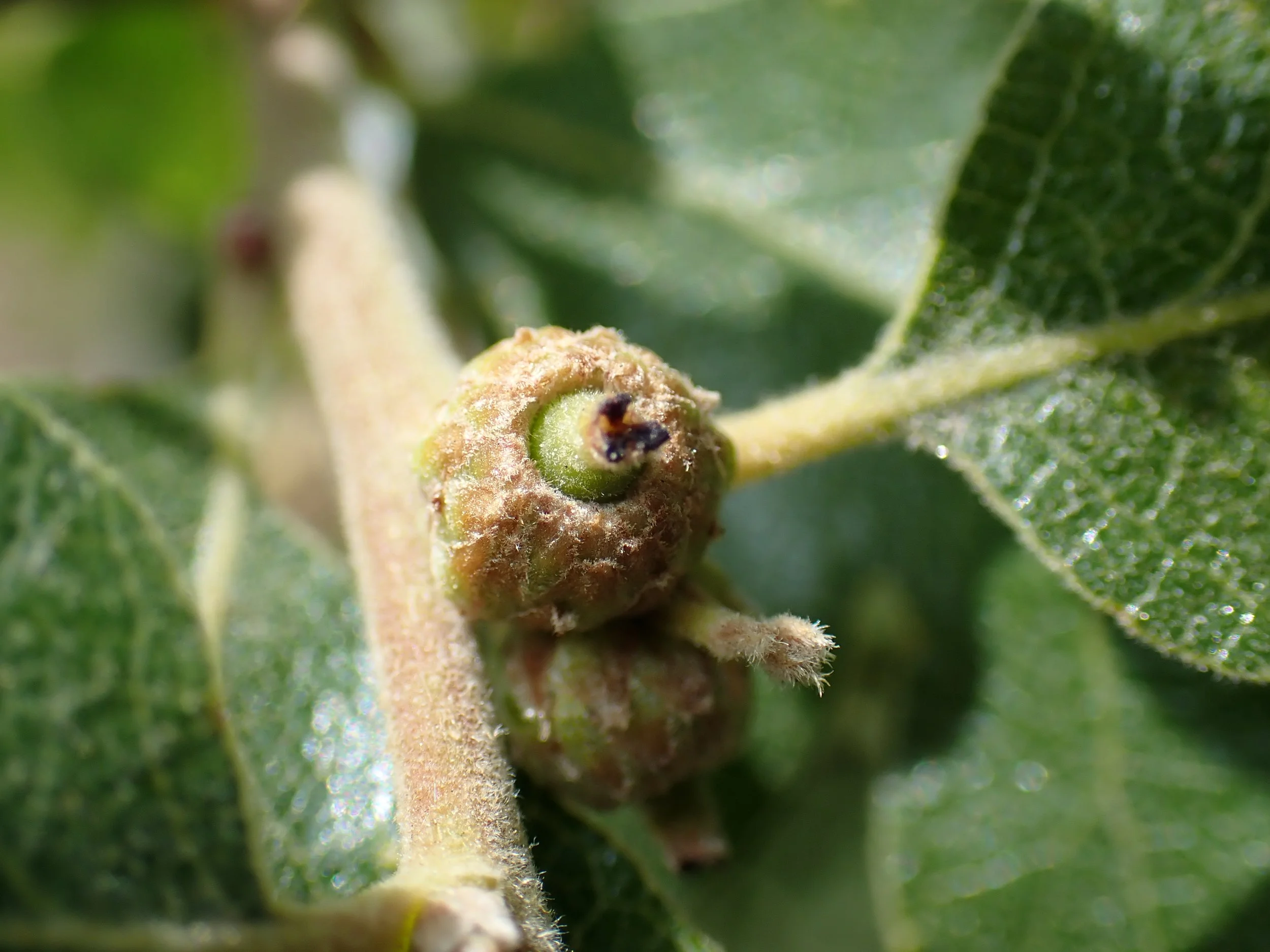
Interior Live Oak
Intermountain Nursery is located on the traditional homelands of the first people of what we now call California, between the historic watersheds of what we call the San Joaquin and Kings Rivers.
We acknowledge that this land was never ceded, and acknowledgment is only the beginning of our responsibility. Our work must contribute to the restoration and return of land, language, and ecological sovereignty.
Our goal is to create a fun, welcoming, and safe space.
*As always, make transportation plans in advance to ensure everyone gets home safely.
Volunteer with Us
We would love your help making this event smooth and welcoming. Volunteers can assist with parking, greeting visitors, setup and teardown, or helping in the nursery and gift shop. If you’d like to lend a hand, please email us at grow@intermountainnursery.com